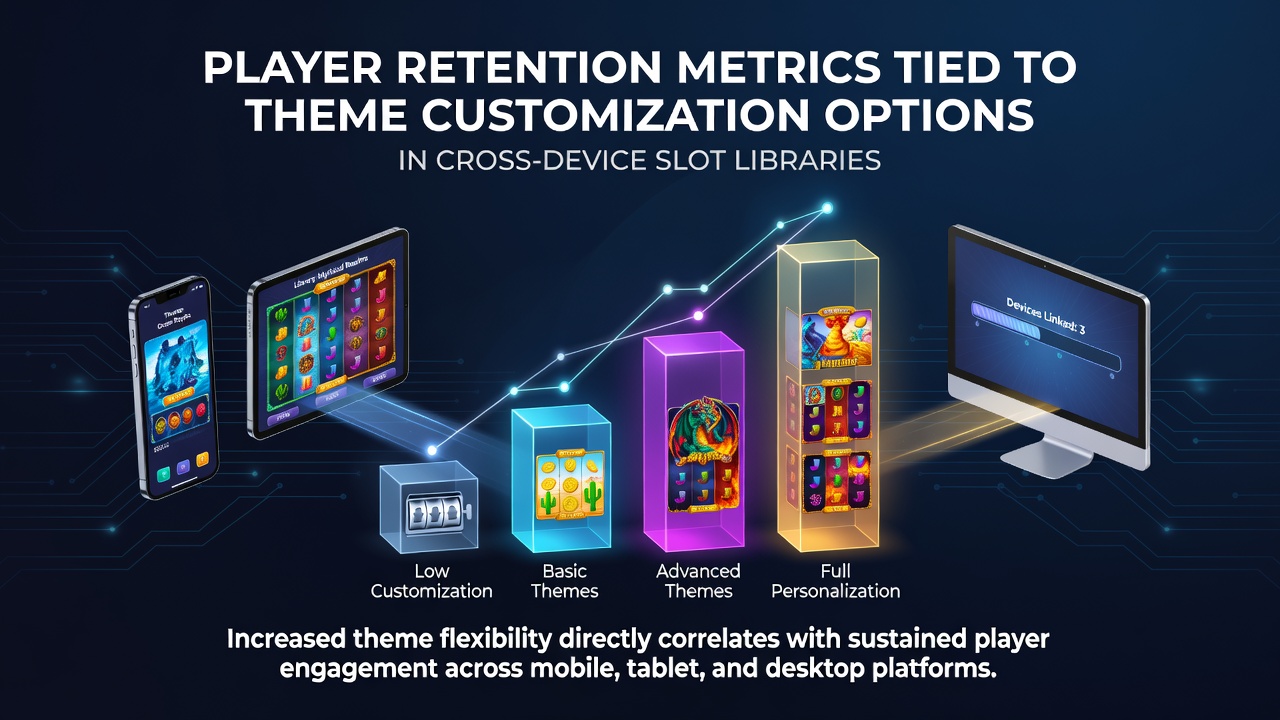
Analyzing Retention Patterns Associated with Theme Customization in Cross-Device Slot Platforms
Theme customization options in cross-device slot libraries connect directly to measurable retention metrics such as session duration, return visit frequency, and account activity levels, with operators tracking these elements through aggregated platform data. Research from multiple gaming jurisdictions shows that players who engage with personalization features demonstrate higher consistency in returning to the same library ecosystems over extended periods.
Defining Cross-Device Slot Libraries and Their Core Features
Cross-device slot libraries consist of centralized collections of games that synchronize player progress, preferences, and balances across desktop, mobile, and tablet interfaces through unified account systems. These setups allow seamless transitions between devices while maintaining consistent access to reel mechanics, bonus structures, and now increasingly detailed theme adjustments. Data from regulatory reports indicate that adoption of such libraries expanded notably in early 2026, with operators reporting integration across major markets in North America and Europe.
How Theme Customization Functions Within These Systems
Theme customization encompasses selections like color palettes, soundtrack variations, symbol redesigns, adn background alterations that users apply to individual titles or entire libraries. These options operate through backend frameworks that store preferences per account, enabling the same customized experience to appear regardless of device. Providers have implemented these tools in libraries that span hundreds of titles, and figures from industry tracking services reveal steady growth in usage rates through the first half of 2026.
Retention Metrics Commonly Measured in Slot Environments
Operators monitor retention through indicators including day-one return rates, weekly active user counts, and average time between sessions. These metrics receive calculation from timestamped login data and gameplay logs that aggregate across devices. In networked environments, retention often ties to how frequently players interact with adjustable elements rather than fixed game versions alone. Reports compiled by the New Jersey Division of Gaming Enforcement document these patterns in state-licensed operations, where cross-device access contributes to sustained activity levels.
Links Between Customization and Observed Retention Data
Studies conducted by research groups associated with the University of Nevada, Reno have examined datasets from multi-platform deployments and found correlations between theme modification frequency and extended player lifecycles. Players who applied at least three customizations per month showed elevated return rates compared to those using default settings. This pattern appears across both video slot and progressive variants within the same library structures.
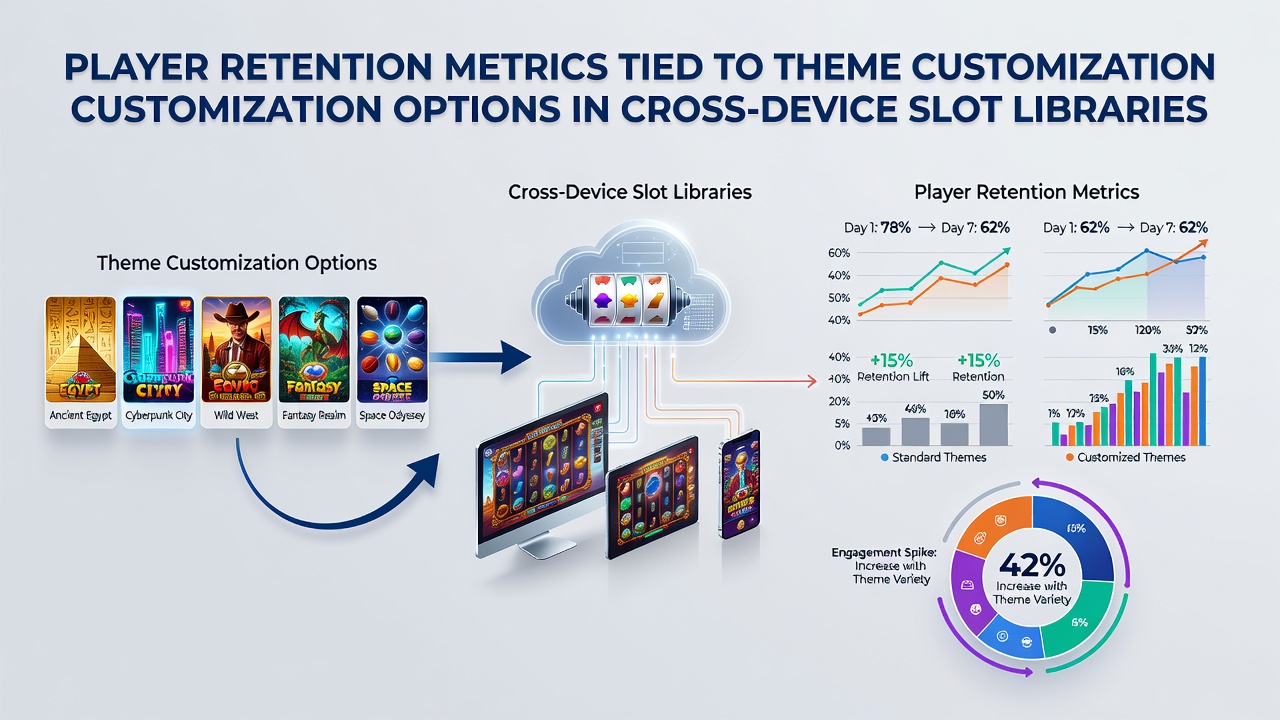
What's interesting is how these adjustments influence engagement loops. When users alter visual or audio elements to match personal tastes, subsequent sessions tend to extend in length, which in turn feeds into higher retention scores over quarterly periods. Data compiled through mid-2026, including observations around July, confirm that libraries offering granular customization tools recorded incremental gains in monthly retention percentages.
Regional Variations in Implementation and Outcomes
Australian regulatory bodies such as the Victorian Commission for Gambling and Liquor Regulation have noted similar trends in licensed venues that deploy cross-device systems with theme options. Retention metrics in those markets reflect increased account persistence when customization interfaces receive prominent placement within the user journey. European operators have reported parallel findings through internal analytics, though the specific customization depth varies by jurisdiction and provider agreements.
Technical Factors Supporting Retention Through Customization
Backend synchronization protocols ensure that theme selections persist across devices without requiring repeated setup, which reduces friction and supports continuous engagement. Libraries incorporating cloud-based preference storage demonstrate stronger metric stability, particularly during peak usage windows. Observers note that these technical foundations enable operators to collect granular data on which customizations correlate most strongly with prolonged activity.
Conclusion
Retention metrics tied to theme customization in cross-device slot libraries reflect measurable patterns documented across regulatory reports and academic analyses through 2026. The integration of personalization tools within synchronized game collections continues to shape how operators evaluate player behavior and library performance. As data collection methods refine further, these connections offer clearer insights into the operational dynamics of modern slot platforms.