
Charting Interconnected Prize Pools and Their Influence on Global Reel Dynamics
Interconnected prize pools link progressive jackpots across multiple machines, casinos, and even international jurisdictions, which creates shared prize structures that reshape reel behavior and payout patterns on a global scale. These systems pool contributions from each spin into centralized funds that grow until triggered, and operators track these contributions through centralized servers that update in real time. Data from regulatory filings shows that such networks now account for a growing share of total slot revenue in regulated markets, because players gravitate toward titles where the top prize climbs continuously rather than resetting after each win.
How Networked Pools Reshape Reel Mechanics
Reel dynamics change when prize pools interconnect because the underlying random number generators must account for contribution rates that feed the shared jackpot. Software providers adjust reel weighting and symbol distribution so that the expected value remains balanced even as the progressive meter climbs into the millions. Observers note that higher contribution percentages often coincide with slightly lower base-game hit frequencies, since part of each wager diverts to the communal pool instead of funding smaller line wins. Studies conducted by academic research teams have mapped these adjustments across dozens of titles, revealing consistent patterns where volatility increases modestly once the pool exceeds certain thresholds.
June 2026 brought several platform updates that refined how these pools communicate with individual game engines. Developers rolled out new APIs that allow real-time synchronization between regional servers, which reduces latency when a jackpot triggers on one continent and resets on another. Those updates also introduced more granular tracking of contribution sources, enabling operators to see exactly which jurisdictions add the largest increments during peak hours.
Regional Variations in Pool Architecture
Different regulatory environments impose distinct rules on how interconnected pools operate. In New Jersey, for example, state law requires that progressive contributions remain segregated by casino group, yet cross-property linking within the same license holder is permitted. Australian regulators, by contrast, permit wider interstate pooling under strict licensing conditions that mandate independent audits of the central server. Canadian provincial authorities have experimented with hybrid models that combine land-based and online contributions into single meters visible to players across both channels. These structural differences produce measurable effects on average jackpot sizes and reset values, according to aggregated reports compiled by industry research organizations.
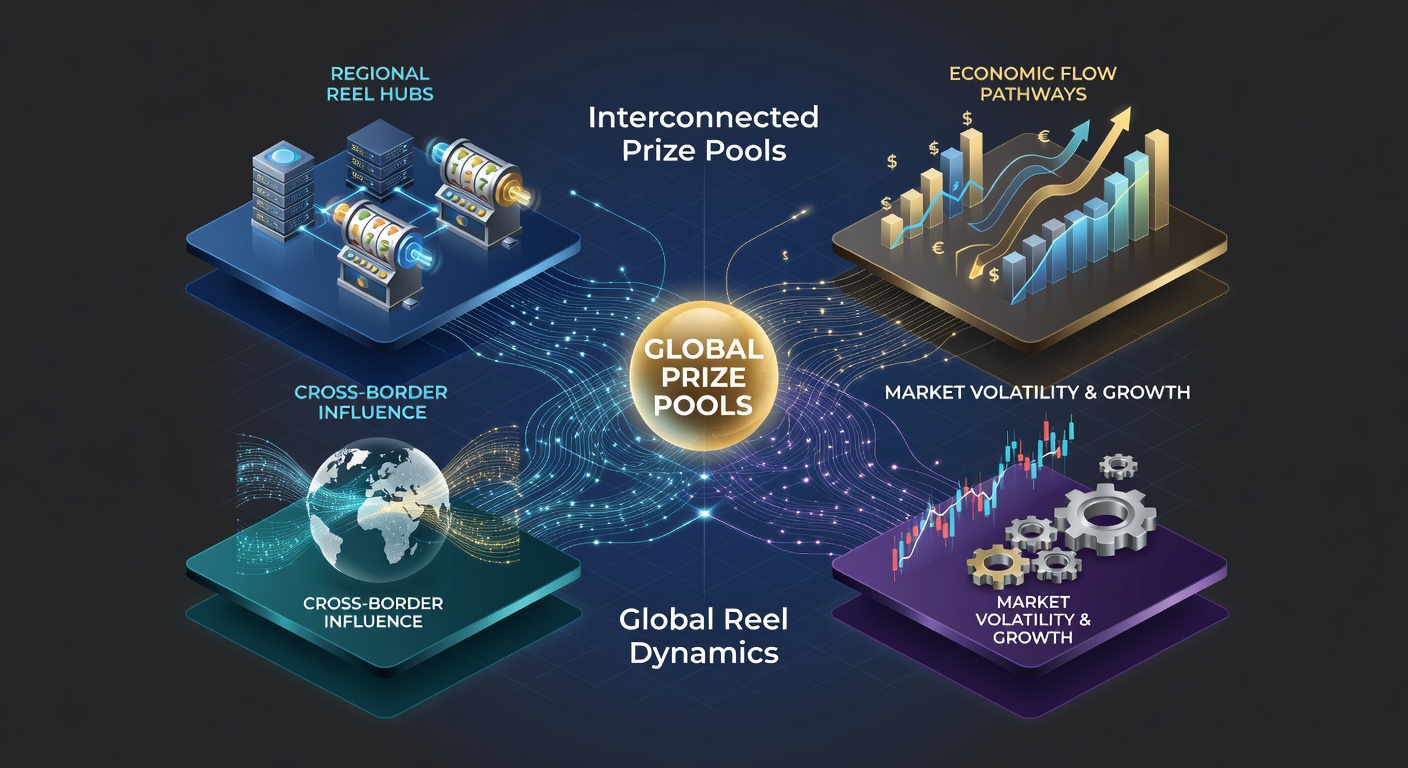
One notable development involves European operators who have begun testing multi-country pools that comply with varying tax regimes. Because each participating nation applies different withholding rates, the software must calculate net prize amounts on the fly and display localized figures to players in each territory. This added complexity has prompted several providers to introduce modular jackpot engines that can accommodate multiple tax tables without requiring separate game builds.
Impact on Player Behavior and Session Metrics
Session length and bet sizing patterns shift when players can see a shared meter climbing across many sites. Transaction logs analyzed by data analytics firms indicate that average wagers per spin rise as the displayed jackpot increases, particularly once the meter surpasses the psychological threshold of one million credits. At the same time, session duration tends to extend because participants wait for the next reset cycle or for the pool to reach a new milestone. Researchers tracking these behaviors across multiple operators have documented clear correlations between meter height and changes in coin-in volume during evening hours.
Bonus engagement also evolves under networked conditions. Many titles now tie secondary features, such as free-spin rounds or pick-and-click games, to the same contribution stream that feeds the main progressive. When a player triggers a bonus during a high-meter period, the potential value of that feature can scale upward because the underlying math accounts for the larger prize environment. This linkage creates additional layers of anticipation that keep participants engaged longer than they might remain on standalone machines.
Technical Infrastructure Supporting Global Synchronization
Behind every visible meter sits a distributed network of servers that reconcile contributions, validate triggers, and broadcast resets. These systems rely on encrypted channels that meet standards set by organizations such as the Gaming Standards Association, which publishes protocols for secure jackpot communication. Redundancy measures ensure that if one regional node experiences an outage, the remaining nodes continue to accept contributions and maintain meter integrity until the affected site rejoins the network. Recent capacity expansions completed in early 2026 have increased throughput by approximately 40 percent, allowing operators to add more titles to existing pools without performance degradation.
Conclusion
Interconnected prize pools continue to expand their reach as operators seek larger audiences and regulators refine oversight frameworks. The technical and regulatory adaptations observed through June 2026 demonstrate that these systems can operate reliably across borders while preserving game integrity. Ongoing data collection by multiple oversight bodies will determine how reel dynamics and player patterns evolve as pool sizes and connectivity levels increase further in coming years.