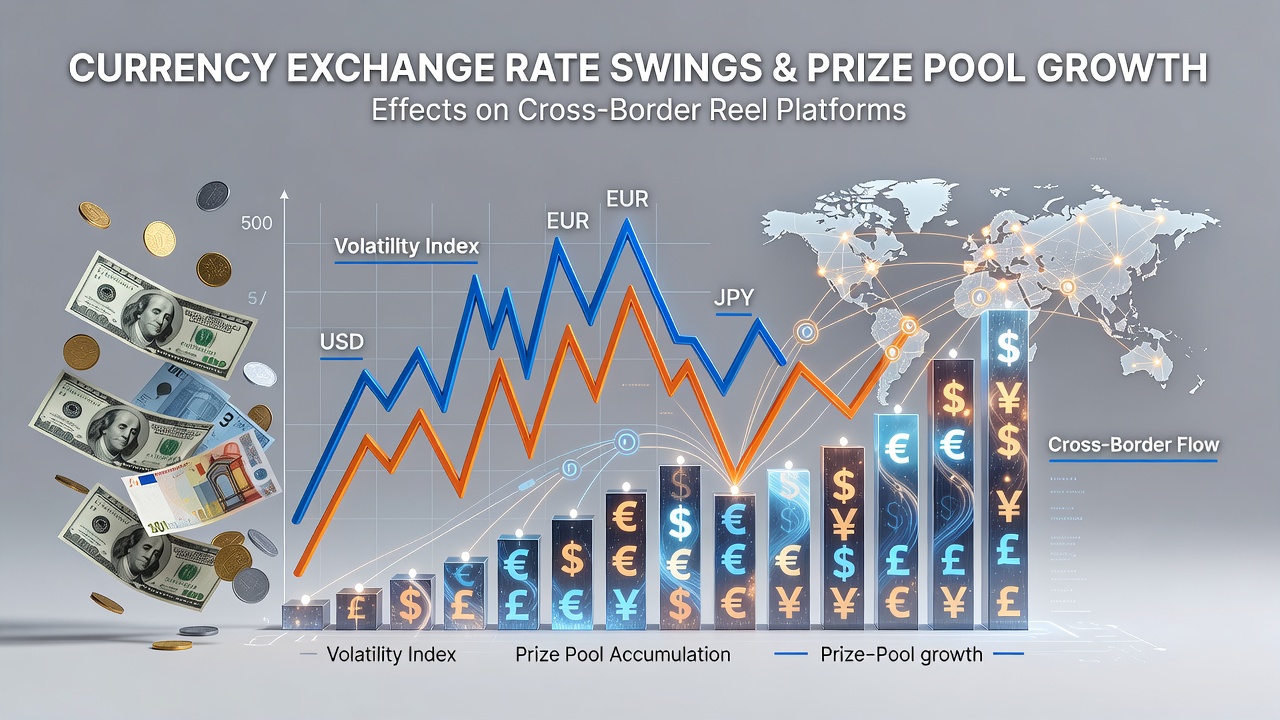
Currency Exchange Rate Swings Impacting Prize Pool Expansion in Worldwide Reel Platforms
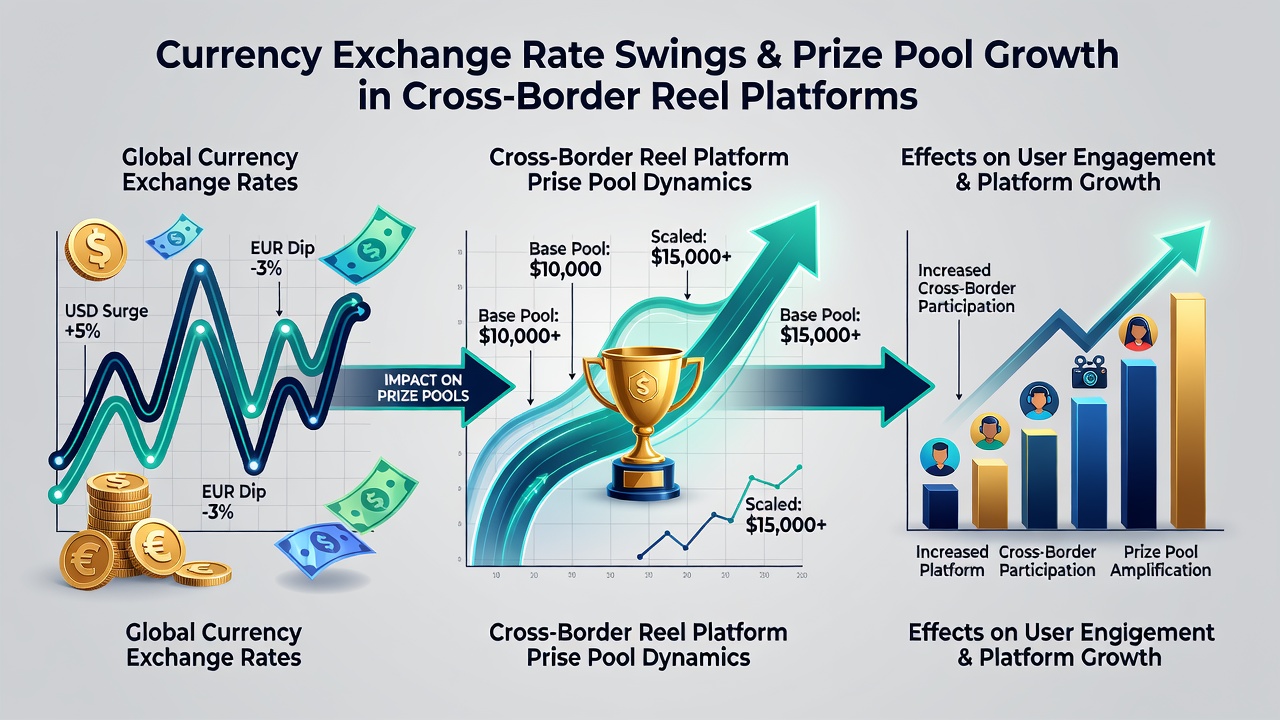
Cross-border reel platforms operate progressive jackpot systems that draw contributions from players in multiple countries, and exchange rate movements directly alter the converted value of those contributions in the base currency used for pool calculations. When a player in one jurisdiction places a wager, the local currency amount gets converted before a percentage feeds into the shared prize pool, which means fluctuations in pairs like EUR/USD or AUD/GBP shift the actual growth rate of the jackpot even if the underlying bet volume stays constant.
Research from central banking institutions shows that volatility spikes often coincide with measurable changes in reported pool sizes on platforms serving global audiences. Data compiled through 2026 indicates that periods of rapid appreciation in a contributing currency can accelerate pool growth in the operator's reporting currency, while depreciation events slow the same accumulation process without any change in player activity levels.
Mechanics of Contribution Conversion in Multi-Jurisdiction Networks
Operators typically designate a single settlement currency, most often USD or EUR, for progressive pools that span several licensing regions. Contributions arrive in local currencies from regulated markets, undergo real-time conversion at prevailing spot rates, and then add to the pool total. This conversion layer creates sensitivity because even modest daily swings compound across thousands of transactions. Observers note that networks handling high volumes from Asia-Pacific and European markets experience the most pronounced effects when regional currencies move against the base rate.
Studies of networked reel systems reveal that automated conversion engines update every few seconds during peak hours. Those updates capture exchange rate data feeds from multiple providers to minimize discrepancies, yet the underlying volatility still transmits through to the final pool balance. When the Japanese yen strengthens against the euro for instance, contributions originating from Japanese-licensed platforms add more value to a euro-denominated pool than they would during weaker yen periods.
Observed Patterns in 2026 Data Sets
Figures released in July 2026 by several international gaming analytics providers documented distinct correlations between forex volatility indices and month-over-month prize pool expansion rates. Platforms with heavy traffic from Canada and Australia showed accelerated pool growth during months when the Canadian dollar and Australian dollar appreciated relative to the operator base currency. Conversely, periods of depreciation produced slower reported growth despite stable or rising wager volumes in local terms.
One study tracked a major networked progressive system across twelve jurisdictions and found that a 4 percent average monthly swing in the GBP/EUR rate corresponded with a 2.8 percent variance in pool contribution totals when measured in euros. Those findings align with broader industry reports that link currency stability to predictable jackpot trajectories while associating higher volatility with irregular expansion patterns.
Regional Regulatory Influences on Conversion Practices
Regulatory bodies in different regions impose varying requirements on how operators handle currency conversions for prize reporting. The Malta Gaming Authority requires transparent disclosure of conversion methodologies used for progressive pools, whereas authorities in New Jersey and Pennsylvania focus on ensuring that displayed jackpot amounts reflect accurate real-time values for players within their jurisdictions. These differing approaches create additional layers of complexity for platforms operating across borders because they must reconcile multiple reporting standards while managing the same underlying pool.
Academic research published through the University of Nevada's gaming studies program examined how operators adjust contribution percentages in response to sustained currency trends. The analysis covered data from 2024 through mid-2026 and indicated that some networks temporarily adjust contribution rates in specific markets to offset the impact of unfavorable exchange movements, thereby maintaining steady pool growth rates in the base currency.
Effects on Player Behavior and Pool Sustainability
Displayed jackpot amounts influence participation rates because players respond to the visible figure rather than the underlying converted value. When exchange rate movements cause a pool to appear larger in one region while shrinking in another, traffic patterns shift accordingly. Data from cross-border platforms indicates increased wager volumes from jurisdictions experiencing favorable conversion effects, which in turn feeds further pool growth and amplifies the initial currency-driven disparity.
Industry organizations such as the European Gaming and Betting Association have published summaries showing that operators monitor these feedback loops closely. Their reports note that sustained currency trends lasting multiple quarters can alter the geographic distribution of contributions enough to prompt adjustments in marketing focus or even changes in the designated base currency for certain progressive titles.
Conclusion
Currency exchange rate movements remain an embedded factor in the growth dynamics of prize pools on cross-border reel platforms. Conversion processes that translate local wagers into base-currency contributions transmit volatility directly into pool balances, while regulatory frameworks and player response patterns interact with those movements to shape overall system behavior. Continued monitoring of forex data alongside contribution metrics allows operators and analysts to track these relationships as global networks expand through 2026 and beyond.