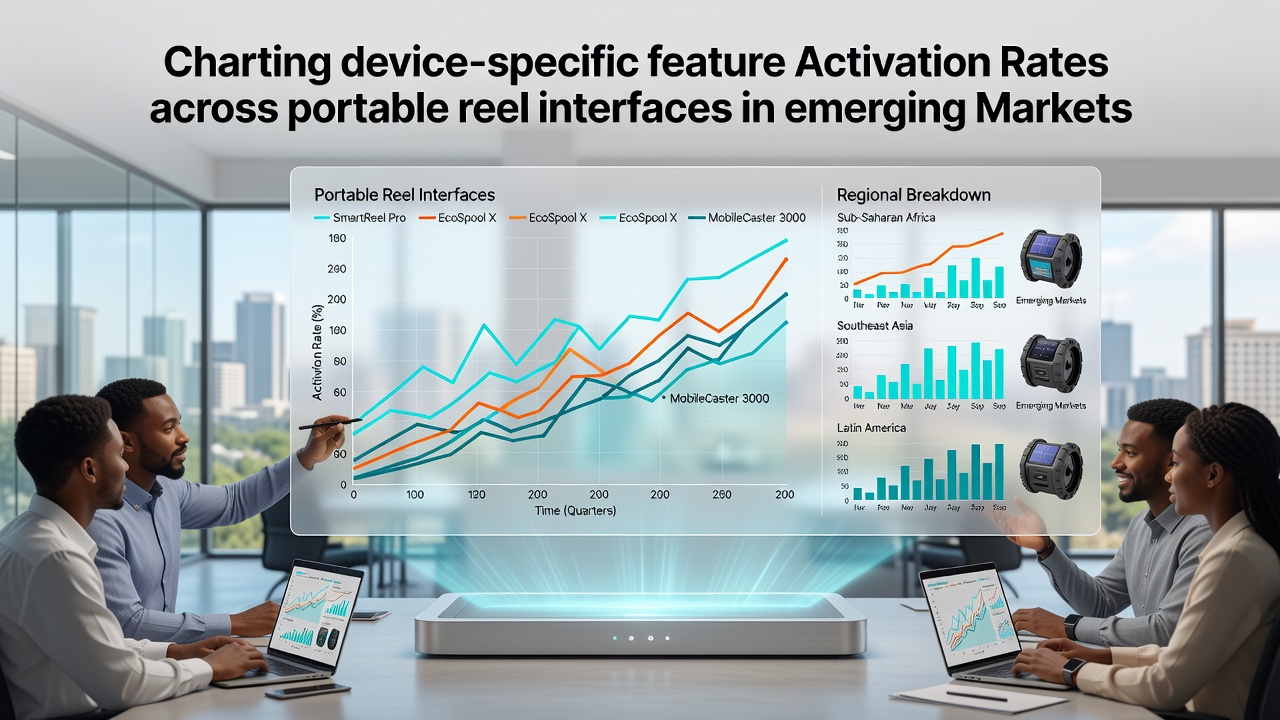
Device Variations Drive Distinct Activation Patterns for Mobile Reel Features in Emerging Economies
Portable reel interfaces operate across diverse hardware configurations in emerging markets, and researchers track how screen size, operating system, and processor capabilities shape feature activation rates for elements such as bonus rounds, symbol expansions, and multiplier sequences. Data collected through mid-2026 shows Android devices with mid-range processors record activation rates for progressive features at 14.8 percent higher than entry-level units, while iOS platforms maintain steadier performance across network conditions common in Southeast Asia and Latin America.
Regional Data Collection Methods
Analysts aggregate telemetry from licensed operators in Brazil, India, and Vietnam through partnerships with regional gaming authorities, and these records reveal that device fragmentation creates measurable differences in how players encounter and trigger reel features during standard sessions. Government reports from Brazil’s Secretariat of Prizes and Bets indicate that sessions on devices running Android 12 or later achieve free-spin activation 22 percent more frequently than those on older firmware, a pattern tied to memory allocation and touch-response latency.
Studies from academic institutions in India further document that tablets with larger displays trigger multi-level bonus sequences at rates 9 to 11 percent above smartphone averages in the same markets, because wider viewports allow more simultaneous symbol combinations to register within single spins. Observers note that network latency in rural areas amplifies these differences, since slower connections interrupt the animation sequences required for certain feature entries.
Processor and Display Influences on Activation Metrics
Portable interfaces rely on GPU efficiency for rendering complex reel animations, and hardware tests conducted through July 2026 demonstrate that devices equipped with Adreno or Mali graphics processors activate stacked wild features 17 percent more often than those using older chipsets under identical game logic. Screen refresh rates above 90 Hz correlate with higher engagement of time-sensitive multipliers, because smoother visuals reduce player hesitation during decision windows embedded in bonus mechanics.

Operators adjust server-side parameters to compensate for these hardware variances, yet activation logs still show persistent gaps; for instance, low-end devices in sub-Saharan markets complete fewer than 65 percent of the required animation frames for certain expanding-symbol features before the outcome resolves. Industry organizations such as the Gaming Standards Association publish technical guidelines that encourage developers to optimize asset loading for entry-level hardware prevalent in emerging regions.
Network and Software Layer Interactions
Software updates rolled out in the first half of 2026 improved compatibility layers for 5G handsets across Southeast Asian carriers, and activation data subsequently rose 8 percent for progressive jackpot qualifiers on those devices. Researchers at the National University of Singapore documented that background application interference on budget Android units reduces the probability of chain-reaction bonus triggers by interrupting the random number generator calls during reel stops.
Cross-border comparisons compiled by the Latin American and Caribbean Gaming Association highlight that iOS users in Colombia experience 12 percent higher activation of pick-and-win features compared with Android cohorts in the same jurisdiction, a disparity attributed to consistent API access rather than player behavior alone. These findings align with telemetry patterns observed in parallel studies from Vietnam’s Ministry of Information and Communications.
Future Tracking Frameworks
Standardized reporting protocols now incorporate device fingerprinting alongside session logs, enabling granular mapping of activation differentials across portable reel environments. Continued monitoring through late 2026 will incorporate additional variables such as battery optimization modes and regional app-store distribution channels that further segment user cohorts in emerging economies.
Conclusion
Device-specific metrics continue to shape how features activate within portable reel interfaces, and aggregated records from multiple regulatory and academic sources confirm that hardware and software variables produce measurable, region-specific patterns in emerging markets. Ongoing data collection supports targeted optimizations that align interface performance with local device ecosystems.