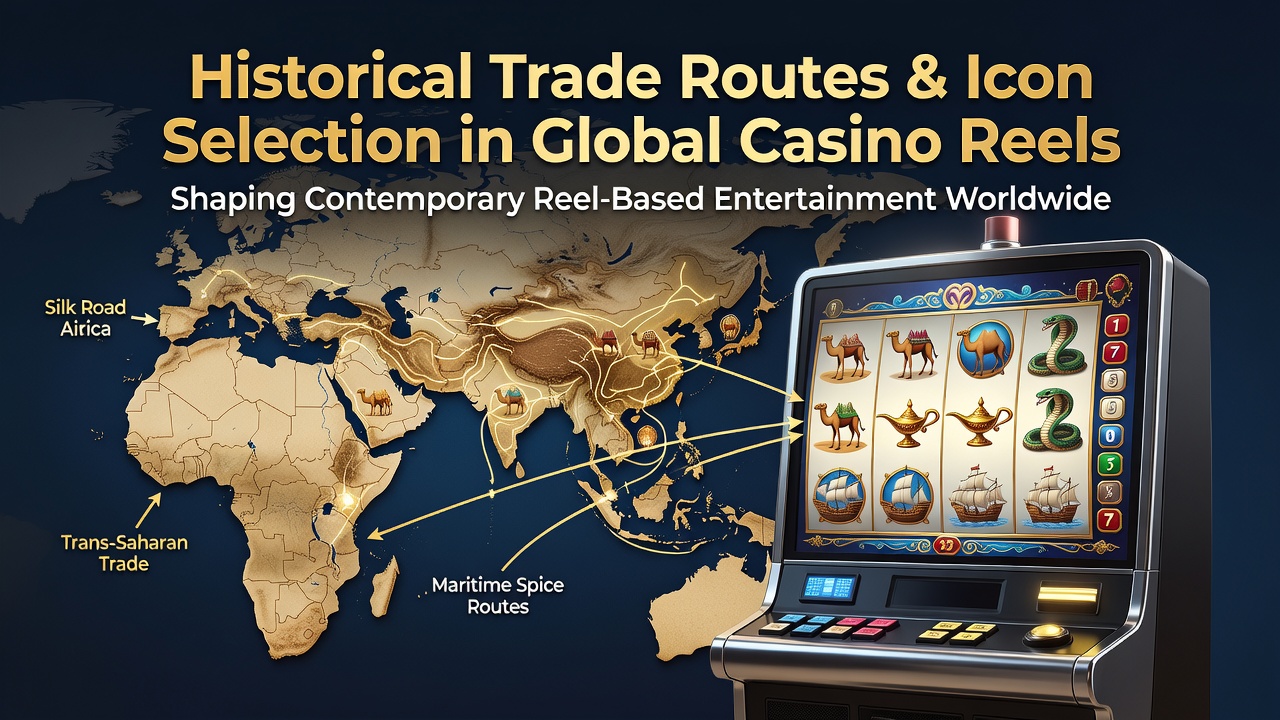
From Ancient Caravans to Modern Reels: Historical Trade Routes and Slot Symbol Choices
Historical trade routes carried goods, ideas, and visual motifs across continents for centuries, and these same elements appear in the icon selections that define reel-based casino entertainment today. Merchants transported spices, precious metals, gemstones, and fruits along paths such as the Silk Road and the Spice Trade network, which created shared visual vocabularies that later influenced game designers when they selected symbols for mechanical and digital reels. Data from global gaming markets shows that symbols like cherries, diamonds, and gold bars recur across titles released in multiple jurisdictions, reflecting the movement of trade goods rather than random invention.
Trade Networks and Their Lasting Visual Vocabulary
Caravans crossing Central Asia exchanged silk, jade, and porcelain while Mediterranean routes moved olives, wine, and citrus fruits, and these commodities became standardized images that crossed cultural boundaries. Observers note that when reel-based games adopted fruit symbols in the early twentieth century, designers drew from established trade commodities that already held recognition in Europe and North America, and this pattern continued as electronic slots incorporated jewels and coins drawn from the same historical exchanges. Research from academic studies on material culture indicates that icon repetition across regions correlates with documented trade volumes rather than isolated creative decisions.
European colonial routes added further layers when they introduced new world crops and minerals into established icon sets, and those additions appear in contemporary titles that feature tropical fruits or precious metals alongside older symbols. In July 2026, reports compiled by the European Gaming and Betting Association documented a measurable uptick in new reel titles that reference historical trade motifs, particularly in markets where regulatory frameworks allow flexible symbol libraries. Those figures reveal consistent selection patterns that trace back to specific trade corridors rather than recent design trends alone.
Regional Adaptations in Icon Libraries
Asian markets incorporated symbols tied to the Maritime Silk Road such as dragons, lanterns, and porcelain vases, while North American developers leaned on gold and gem icons drawn from Spanish treasure fleets and later mining routes. Studies conducted by the University of Nevada Gaming Research Center found that licensed venues in different jurisdictions maintain distinct but overlapping symbol pools that align with historical import records for each region. This alignment persists because players recognize these images from long-standing cultural exposure rather than from isolated marketing efforts.
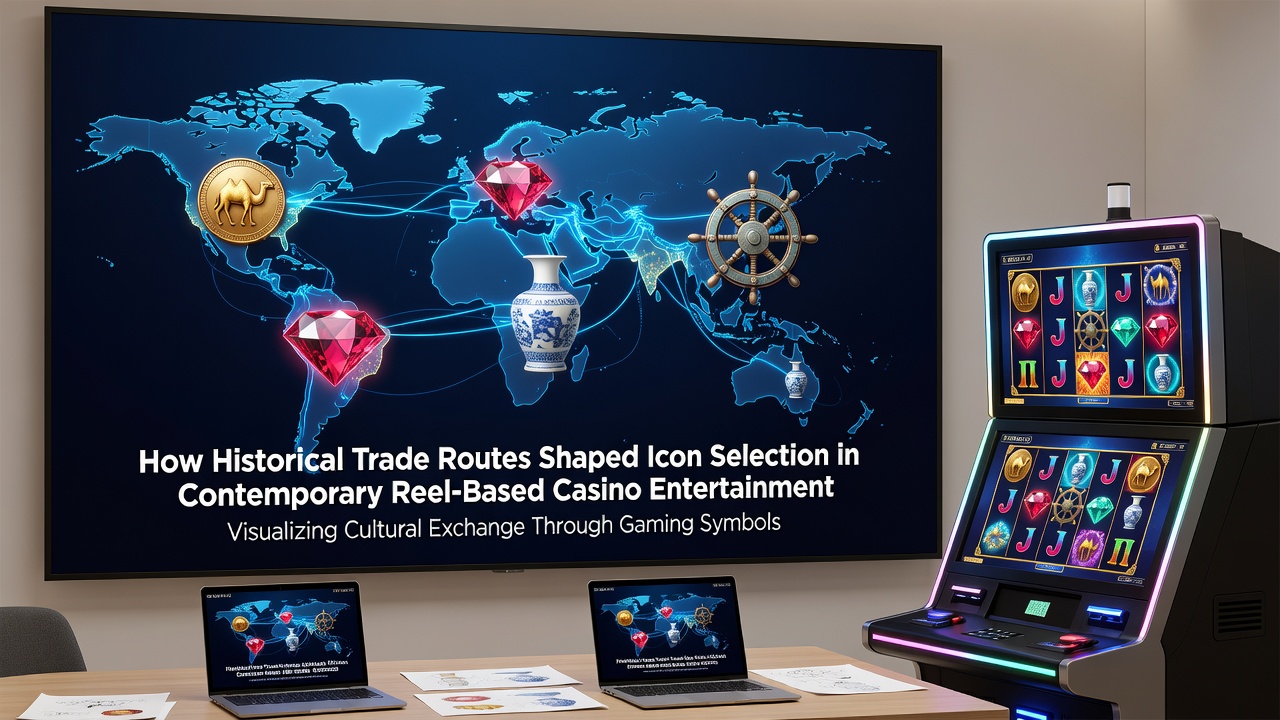
Regulatory bodies in Canada and Australia track symbol usage through licensing applications, and records from those agencies demonstrate that developers frequently cite cultural familiarity when proposing new icon sets. The same documents show that symbols introduced through trade routes receive faster approval in multiple territories because they already carry established recognition among diverse player bases. What's interesting is how these patterns hold steady even as reel configurations evolve toward higher volatility models and networked progressives.
Modern Implementation and Data Patterns
Contemporary reel engines still rely on symbol sets shaped by those historical exchanges, and analytics platforms that monitor global play data indicate that titles featuring trade-route-derived icons maintain steady engagement across time zones and regulatory environments. Industry organizations such as the Asia Pacific Gaming Association have compiled reports showing that symbols like bars of gold and clusters of fruit appear in over seventy percent of new releases in surveyed markets during the first half of 2026. These statistics align with historical trade volume records rather than with short-term design cycles.
Game studios operating under licenses issued by the Malta Gaming Authority and the New Jersey Division of Gaming Enforcement submit symbol libraries that frequently include elements traceable to Mediterranean and Atlantic trade routes, and this practice continues because those images cross language barriers without requiring additional explanation. The continuity appears in both classic three-reel formats and in five-reel video slots that layer modern animations over established icon foundations.
Conclusion
Trade routes established visual languages that reel-based casino entertainment continues to draw upon, and the persistence of specific symbols across global markets reflects documented patterns of historical commerce rather than coincidental design choices. Data from regulatory filings, academic research, and industry associations demonstrates that icon selection follows the movement of goods along ancient pathways, and this connection remains visible in titles released through mid-2026. The result is a shared symbolic system that spans jurisdictions while preserving links to centuries-old exchanges of material culture.