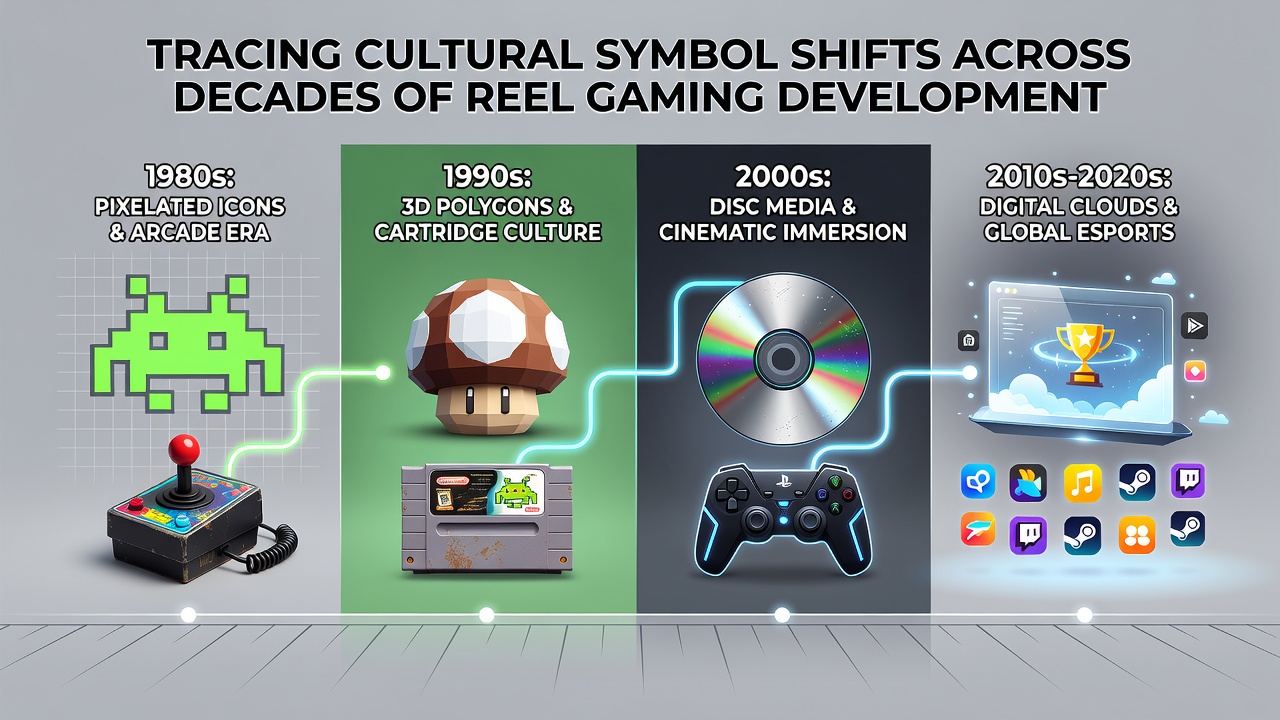
Reel Symbol Evolution: Mapping Cultural Shifts in Slot Machine Design Over Time
Slot machines began with straightforward imagery rooted in everyday items such as fruits, bells, and playing card suits during the early decades of the twentieth century, and these designs reflected the manufacturing constraints and popular pastimes of that era. Manufacturers selected symbols that players recognized immediately because production techniques limited artists to basic shapes and colors that printed clearly on physical reels. Data from historical records shows these icons dominated machines installed in American saloons and European arcades through the 1950s and 1960s.
By the 1970s and 1980s electronic components allowed developers to introduce more varied graphics including lucky sevens, diamonds, and cartoon-style characters that mirrored the growing influence of television and pop culture. Observers note that symbols began to reference movies, music, and sports events as operators sought to attract younger audiences who frequented expanding casino floors in Nevada and Atlantic City. Research indicates that this period marked the first widespread shift away from purely utilitarian icons toward thematic storytelling on the reels.
Transition to Thematic and Licensed Imagery
The 1990s brought video slots that replaced physical reels with digital screens, which opened possibilities for detailed animations and licensed properties from film studios and entertainment franchises. Developers incorporated characters from popular television shows and blockbuster movies while regulatory approvals in multiple jurisdictions confirmed that such integrations complied with existing gaming standards. Figures from industry reports reveal that themed titles captured increasing market share as players responded to familiar narratives displayed across five or more reels.
Into the early 2000s mobile technology further accelerated symbol diversification because developers optimized graphics for smaller screens used in handheld devices. Symbols evolved to include ancient civilizations, fantasy creatures, and seasonal holidays that aligned with global cultural events and travel trends documented in tourism statistics. Those who track player behavior data have observed that seasonal symbols often produce higher engagement rates during corresponding calendar periods.
Global Influences and Regional Adaptations
Markets outside North America introduced symbols drawn from local traditions such as Asian deities, European folklore, and Australian wildlife as operators tailored products to regional preferences. Gaming authorities in Australia and several European countries published guidelines that encouraged culturally relevant content while maintaining responsible gaming requirements. Studies conducted by academic researchers at institutions in Canada and Singapore have examined how these localized symbols affect session lengths and player retention metrics.
During the 2010s social media trends began to influence symbol selection when developers added emojis, memes, and viral internet references to limited-time promotions. Data compiled by the American Gaming Association indicates that such timely symbols helped online platforms maintain visibility amid rising competition from social casino applications. Developers coordinated releases with major sporting events and music festivals to capitalize on existing cultural conversations.
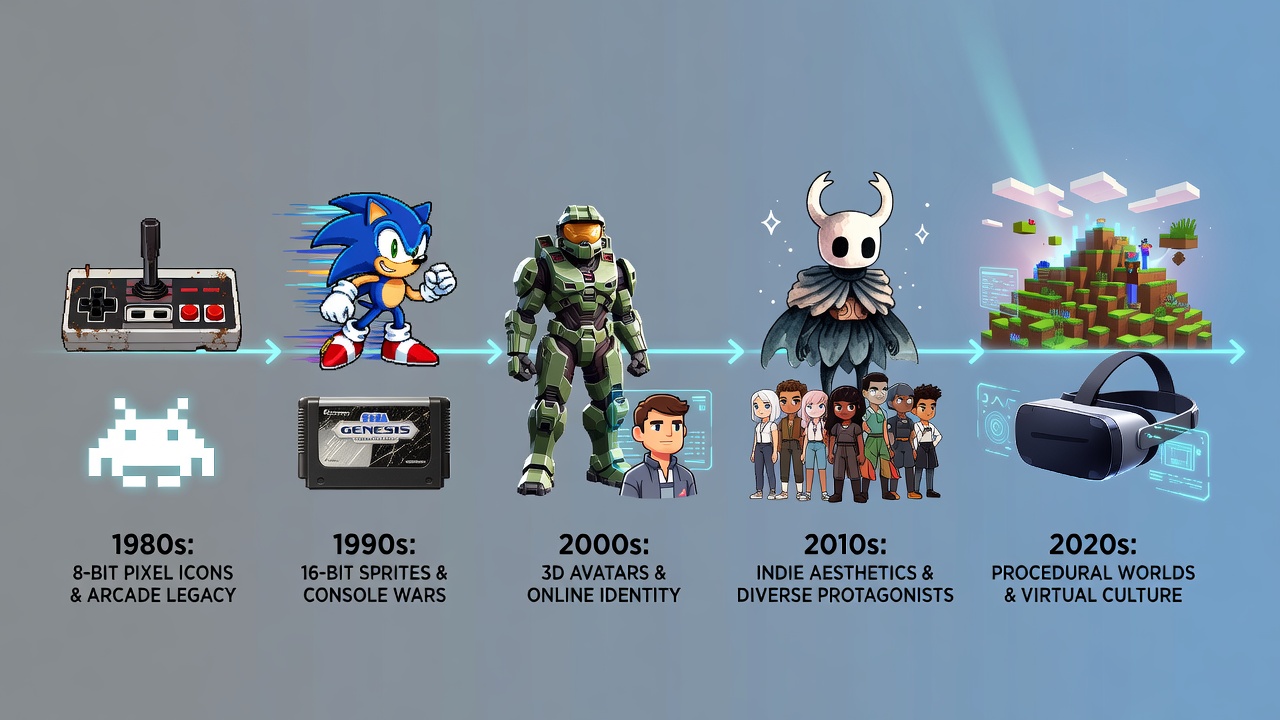
Current Developments in Mid-2026
By June 2026 developers continue to blend historical motifs with contemporary digital art styles that incorporate three-dimensional rendering and augmented reality previews available through casino applications. New releases scheduled for that month feature symbols inspired by sustainable technology themes and space exploration milestones that align with ongoing public interest in climate solutions and aerospace achievements. Regulatory filings submitted to bodies such as the Nevada Gaming Control Board document these design choices as part of standard approval processes.
Networked progressive systems now integrate symbols across multiple titles so that shared jackpot triggers display unified iconography drawn from global mythology and science fiction franchises. Trade publications from organizations like the European Gaming and Betting Association have noted that cross-title symbol consistency improves player recognition of bonus features regardless of the individual game accessed. Research papers published in gaming technology journals describe algorithmic methods that adjust symbol frequency based on aggregated player demographic information collected under strict privacy protocols.
Conclusion
Symbol design in reel gaming has followed documented cultural and technological trajectories from the mechanical era through the digital age. Evidence gathered from regulatory records, academic studies, and industry statistics demonstrates consistent adaptation to prevailing media landscapes and regional traditions. Developers maintain compliance with diverse international standards while introducing fresh iconography that resonates with evolving player expectations in June 2026 and beyond.